

Signs You’re Lifting Appropriately During Pregnancy
(And Signs You Might Be Doing Too Much)
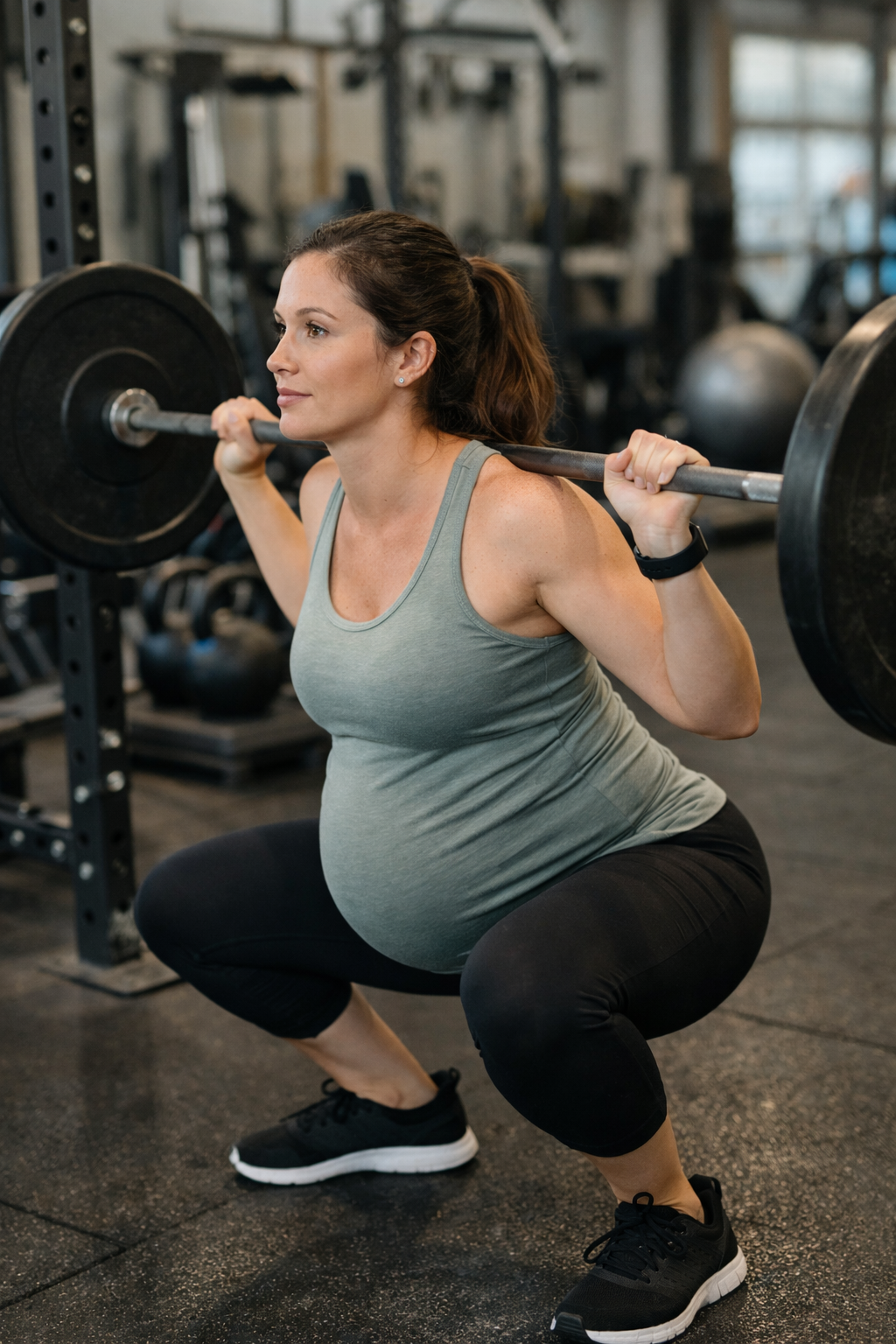
One of the most common questions pregnant women ask isn’t “Can I exercise?” — it’s:
“How do I know if what I’m doing is actually okay?”
After years of mixed messages, fear-based advice, and rigid rules, it’s understandable to feel unsure. Especially when you’re trying to balance staying active, protecting your body, and doing the “right thing” for your baby.
The good news?
Your body gives clear feedback when training is appropriate — and when it needs adjusting.
This post will help you recognise supportive signs, early warning signs, and what to do next — without panic or guilt.
First: what “appropriate” training actually means
Appropriate pregnancy training is not about:
lifting the heaviest weight
pushing through discomfort
sticking rigidly to a program
It is about:
feeling strong and capable
maintaining control and confidence
recovering well between sessions
adapting as pregnancy changes
Appropriate training supports your body — it doesn’t fight it.
Signs your training is appropriate and supportive
These are the green flags I look for as a coach.
1. You feel worked — not wiped
After a session, you might feel:
warm
lightly fatigued
mentally clearer
But not:
dizzy
shaky
completely drained for the rest of the day
You should still have energy left for life —
especially if you’re already managing work, family, and pregnancy.
2. Your technique stays consistent
Appropriate load allows you to:
maintain good posture
move with control
breathe without panic or strain
finish sets without rushing the last reps
If technique breaks down early in a set, the load (or volume) may be too high for that day.
3. Breathing feels manageable
During pregnancy, breathing and pressure management matter more than ever.
Supportive training allows you to:
breathe continuously or with gentle bracing
avoid excessive breath-holding
feel pressure distributed, not forced downward
Breathing that feels panicked, rushed, or held out of necessity is a cue to adjust.
3. Breathing feels manageable
During pregnancy, breathing and pressure management matter more than ever.
Supportive training allows you to:
breathe continuously or with gentle bracing
avoid excessive breath-holding
feel pressure distributed, not forced downward
Breathing that feels panicked, rushed, or held out of necessity is a cue to adjust.
5. Symptoms stay stable or improve
This includes:
pelvic floor comfort
abdominal control
general aches and pains
vTraining that’s well-matched to your body often helps you feel better, not worse.
Signs you may be doing too much (or need modification)
These aren’t reasons to quit training — they’re signals to adjust.
1. Pelvic heaviness or pressure
Feelings of:
dragging
heaviness
“something dropping”
during or after training are important signals. They suggest load, volume, or pressure management may need modifying.
2. Pain during or after sessions
This includes:
pelvic pain
sharp abdominal pain
worsening back or hip pain
Pain is not a badge of effort in pregnancy. It’s information.
3. Increasing abdominal doming or loss of control
Some abdominal shape change is normal as pregnancy progresses — but increasing doming combined with loss of control or discomfort suggests a need to adjust:
load
position
tempo
or exercise choice
4. Excessive fatigue or poor recovery
If training leaves you:
exhausted for days
emotionally flat or irritable
struggling to get through daily tasks
It’s a sign your body needs less intensity or volume, not more discipline.
5. Needing to “push through” symptoms
If you’re constantly telling yourself:
“I’ll just finish this set”
“It’ll be fine”
“I should be able to do this”
That’s often a cue that the session isn’t matching where your body is that day.
What to do if you notice warning signs
This is where many women go wrong — they jump straight to stopping.
Instead, try this order:
Reduce load
Reduce reps or sets
Slow the tempo
Change position or stance
Swap the exercise
Often, one small change is enough to bring training back into a supportive zone.
When to seek extra support
If symptoms persist despite modifications, or you’re unsure what’s normal for you, it’s appropriate to seek:
guidance from a qualified prenatal coach
assessment from a women’s health physiotherapist
support that considers both movement and pelvic health
Asking for support isn’t a failure — it’s part of individualised care.
The bigger picture
Pregnancy training isn’t about perfection.
It’s about:
listening
adapting
staying connected to your body
and maintaining confidence in movement
When training is appropriate, it builds strength and trust — not fear.
What to read next
If you’re wondering how to balance strength, recovery, and real life once baby arrives, the next post will explore:
“Returning to Strength Training After Birth: How to Progress Without Rushing”
