

My Chat With a Women’s Health Physio: What Every Mum Needs to Know
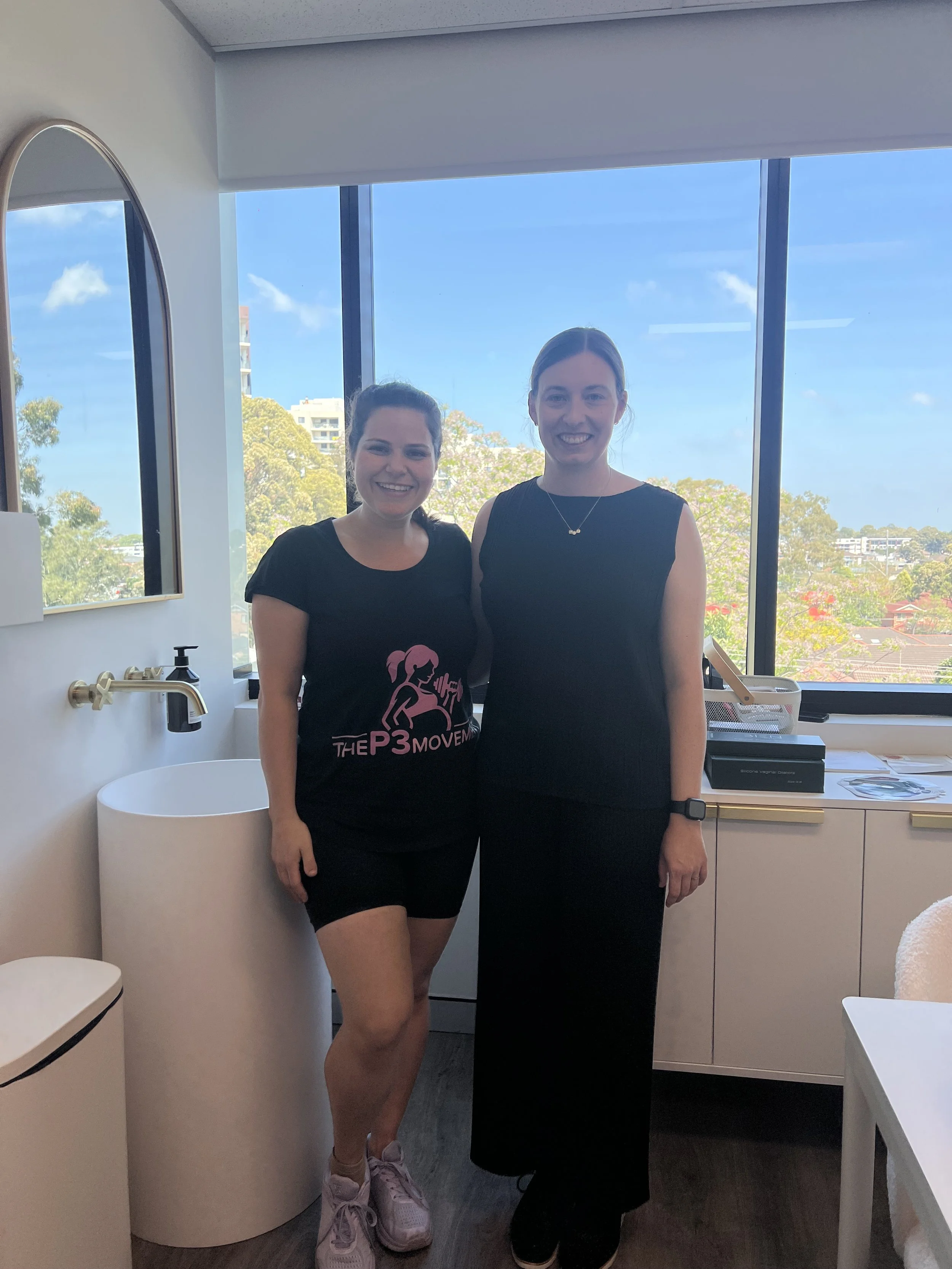
Amy Pappas is a highly experienced women’s physiotherapist, passionate about helping women throughout all facets of their life.
I recently sat down with a women’s health physiotherapist, Amy Pappas from Amy Pappas Physiotherapy to talk all things pregnancy, postpartum recovery, and the stuff that doesn’t always get spoken about — like pelvic floor weakness, abdominal separation, and the aches and pains that seem to pop up at the most inconvenient times.
As someone who works with mums every day, I’ve seen how these challenges can impact confidence, movement, and even the joy of exercise. But what really stood out from our chat was this: your body is designed to recover, it just needs the right support.
Let’s Talk Pelvic Floor
Amy and I started with one of the most common topics: the pelvic floor.
She reminded me that this small but mighty group of muscles is constantly working — supporting your bladder, bowel, and uterus, and stabilising your pelvis through every stage of pregnancy and beyond.
During pregnancy, the added weight of your baby (and the hormonal changes that make tissues more flexible) can make it harder for these muscles to do their job. Post-birth, they need gentle, consistent retraining — not endless “squeeze and hold” exercises, but functional movement patterns that reconnect your breath, core, and pelvic floor as a team.
Understanding Abdominal Separation
Abdominal separation, or diastasis recti, is another big one we discussed.
It’s incredibly common — most women will experience some degree of it during pregnancy — and it doesn’t mean your abs are “broken.
Amy’s message was clear: healing is about connection, not perfection.
It’s about learning to activate your deep core muscles, breathe effectively, and move in ways that reduce pressure on your abdominal wall rather than increase it.
Strength training, when done right, is actually one of the best tools for recovery — and that’s exactly what I love helping mums rediscover through The P3 Movement.
Managing Pain and Discomfort
From lower back tension to hip and pelvic pain, these discomforts are often brushed off as “just part of pregnancy.” But they’re signals that your body needs more balance, mobility, or support.
A women’s health physio can assess what’s really going on — whether it’s muscle tightness, joint instability, or postural changes — and create a plan that helps you move comfortably again.
Pairing that guidance with a safe, strength-based exercise plan is where real progress happens.
Returning to Exercise — The Right Way
We both agreed that returning to exercise after birth should never feel like rushing to “get your body back.” It’s about rebuilding from the inside out — reconnecting your breath, your core, and your confidence.
The physio recommended starting with breathwork, pelvic floor awareness, and gentle resistance-based movement — exactly what we focus on in my Mums & Bubs and postpartum strength programs.
Every mum’s timeline is different, and that’s okay. The goal isn’t speed; it’s sustainable strength.
The Takeaway
My biggest takeaway from our chat?
Your body is incredibly capable — and recovery doesn’t happen by chance, it happens by choice.
Seeing a women’s health physio isn’t just for when something feels “wrong.” It’s one of the best investments you can make in your pregnancy and postpartum journey. Combine that with the right kind of movement, and you’ll feel stronger, more supported, and more connected than ever.
If you’re ready to move with confidence, I’d love to help.
Join one of my Mums & Bubs classes or book a personal training session — and let’s rebuild your strength together, one breath at a time.
As a client, you will have exclusive access to work with Amy 1:1 throughout your pregnancy and/or during postpartum.
Visit her website to book an appointment.
