

It’s one of the most common (and most urgent) questions new mums ask. And rightly so. You’ve just brought a human into the world. You’re healing, adjusting, and possibly craving movement—not just to “get your body back” (we’re ditching that phrase forever), but to feel like you again.
The short answer? It depends.
The longer answer? Let’s unpack it.
The First Few Weeks: Rest, Recovery, and Reconnection
Whether you had a vaginal birth or a C-section, your body is in recovery mode. And that recovery is non-negotiable.
Most women receive the all-clear to resume light exercise at their 6-week postpartum check-up (or 8 weeks after a C-section), but that doesn’t mean you’re diving into burpees and kettlebell swings. Instead, those early weeks are your foundational phase.
What this phase looks like:
Walking: short, gentle walks can help with circulation, mood, and energy.
Breathwork: learning to breathe diaphragmatically again helps reconnect to your deep core.
Pelvic floor activation: think of this as turning the lights back on in a room that’s been under renovation.
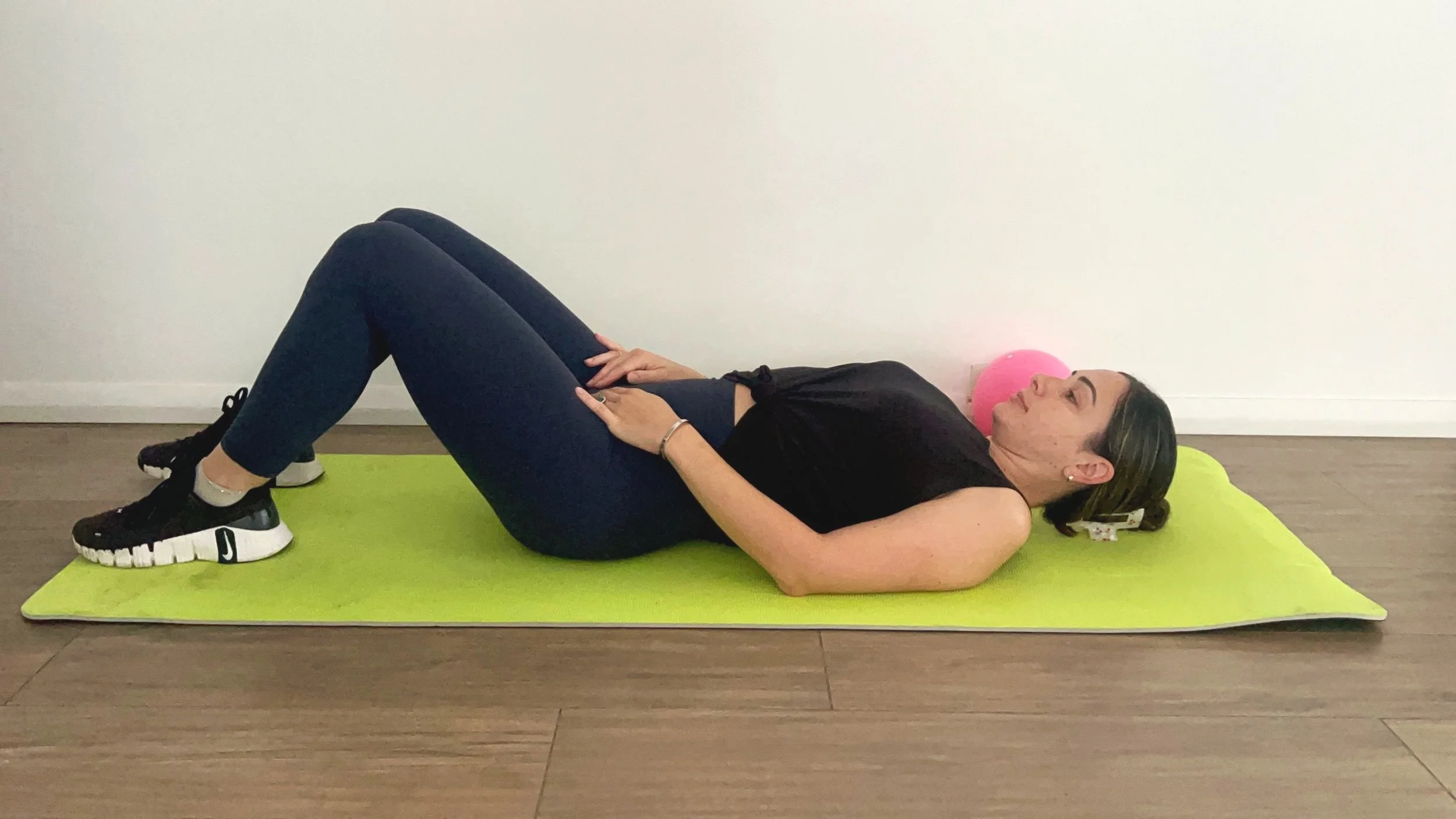
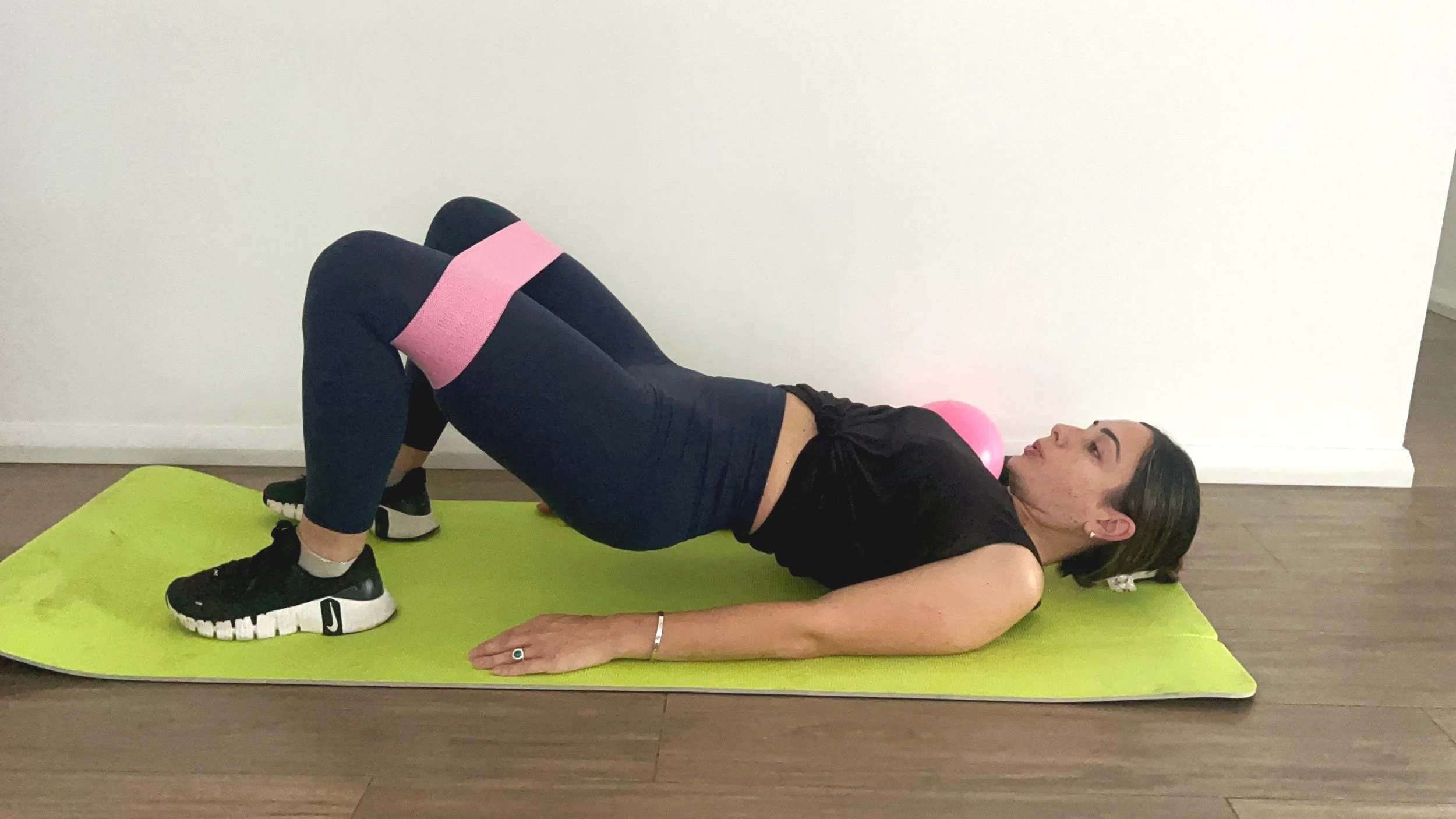
Breathwork and pelvic floor work are key, especially during the first few months of postpartum.
These aren’t just “recovery moves”—they are essential groundwork for everything that comes next.
After Your Check-Up: Building (Safely) Back to Strength
Once you’ve had the medical go-ahead, you can start to introduce structured strength training. But structured doesn’t mean extreme.
Your body has changed—structurally, hormonally, and functionally. Your training needs to reflect that.
Focus on:
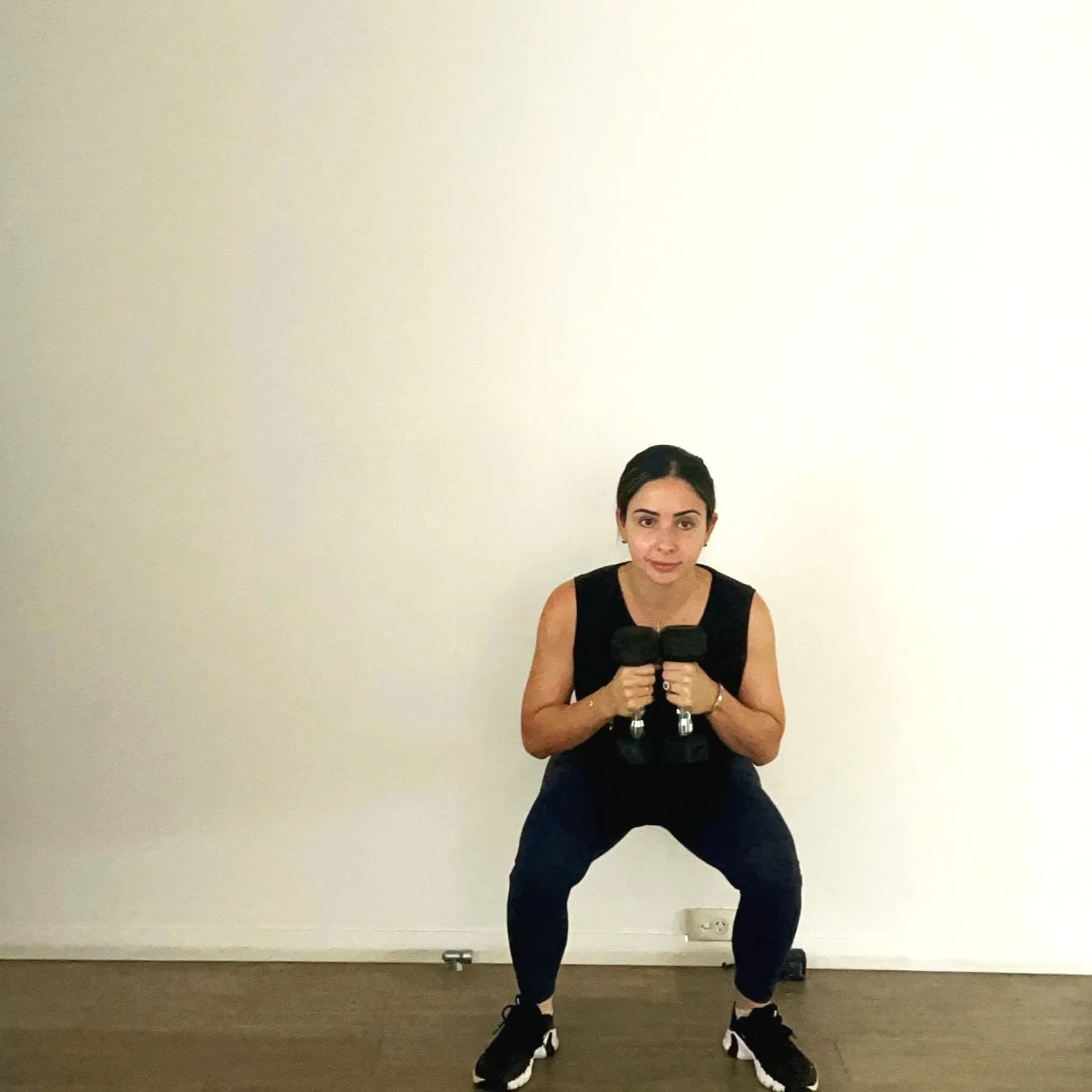
Foundational movement patterns: squats, hinges, rows, carries.
Core + pelvic floor integration: not just crunches (in fact, probably not crunches at all).
Progressive overload: building strength slowly, with proper rest and recovery.
The goal here is not just to “work out”—it’s to rebuild function, confidence, and control in your body. Think of it as rehab, not punishment. You’re not bouncing back—you’re moving forward.
**Note: Start with bodyweight squats and progress to light weights.
A Note on C-Sections and Individual Variations
If you’ve had a C-section, you’ll need extra time and caution. It’s major abdominal surgery, after all. That means
Giving your incision time to fully heal
Paying close attention to core pressure and scar sensitivity
Starting with gentle breathwork and posture-focused movement before introducing load
No matter how you gave birth, remember: every recovery is different. Comparing yourself to another mum (even your past self) will only slow you down.
So… When Can You Start?
Start today—but start with intention.
You can begin:
Breathwork and gentle mobility exercises within days of birth (if comfortable)
Short walks in the first few weeks
Pelvic floor work as soon as you feel ready (and cleared by your care provider)
Progressive strength training after your 6–8 week check-up and with professional guidance
Your body is healing, recalibrating, and adapting. Exercise during this time isn’t about intensity—it’s about reconnection.
Final Thoughts: You’re Still in Transformation Mode
You’ve done the most athletic thing your body will ever do—birth. Now it’s time to treat yourself like the athlete you are. That means recovery, support, and smart, effective movement that meets you where you’re at.
And yes, some days your workout might just be lifting your baby 54 times and walking around the kitchen table in a robe. That counts too.
Start slow. Stay consistent. Trust your body.
You’re not starting over—you’re starting stronger. You’ve got this Mama!
